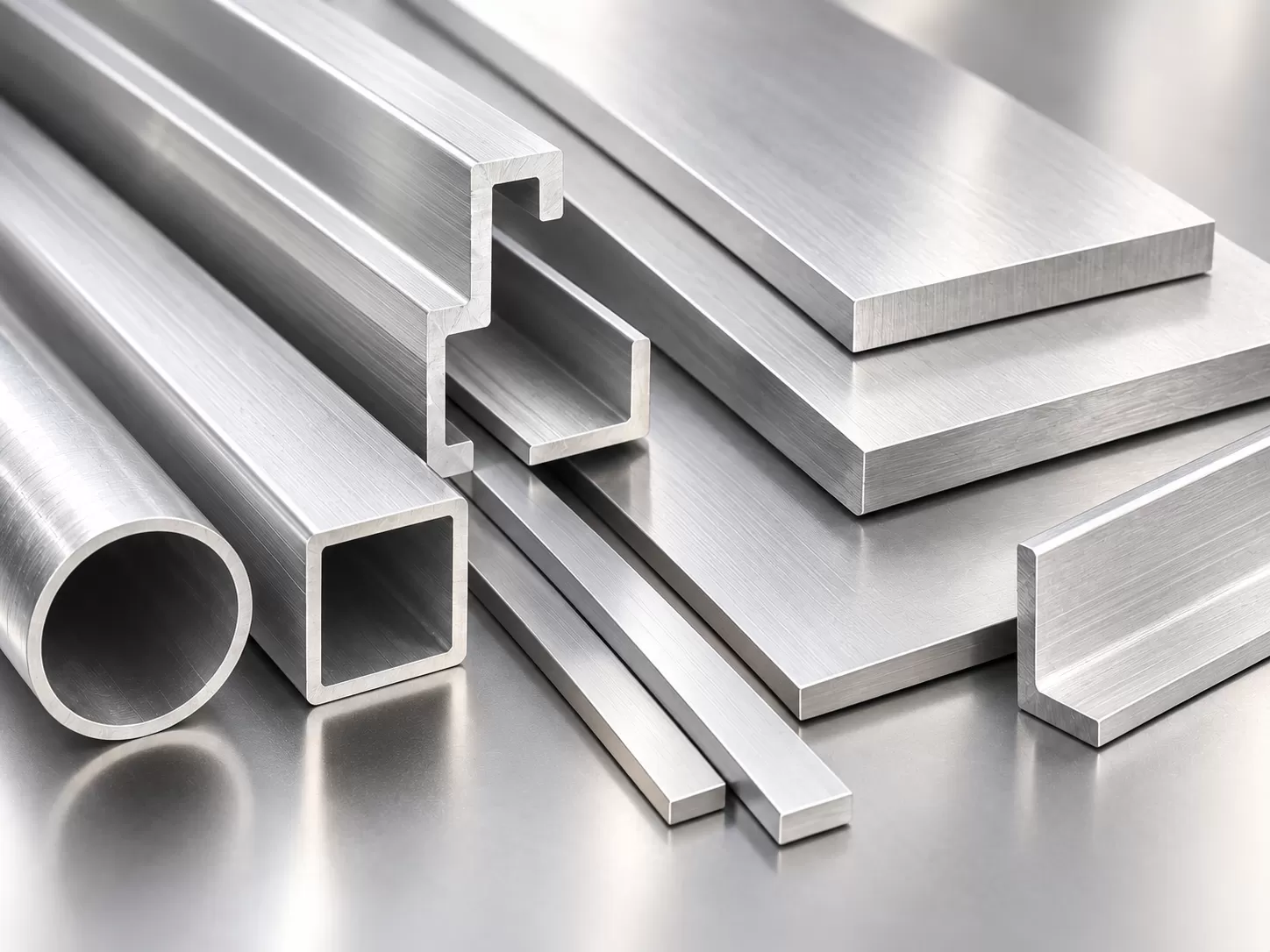
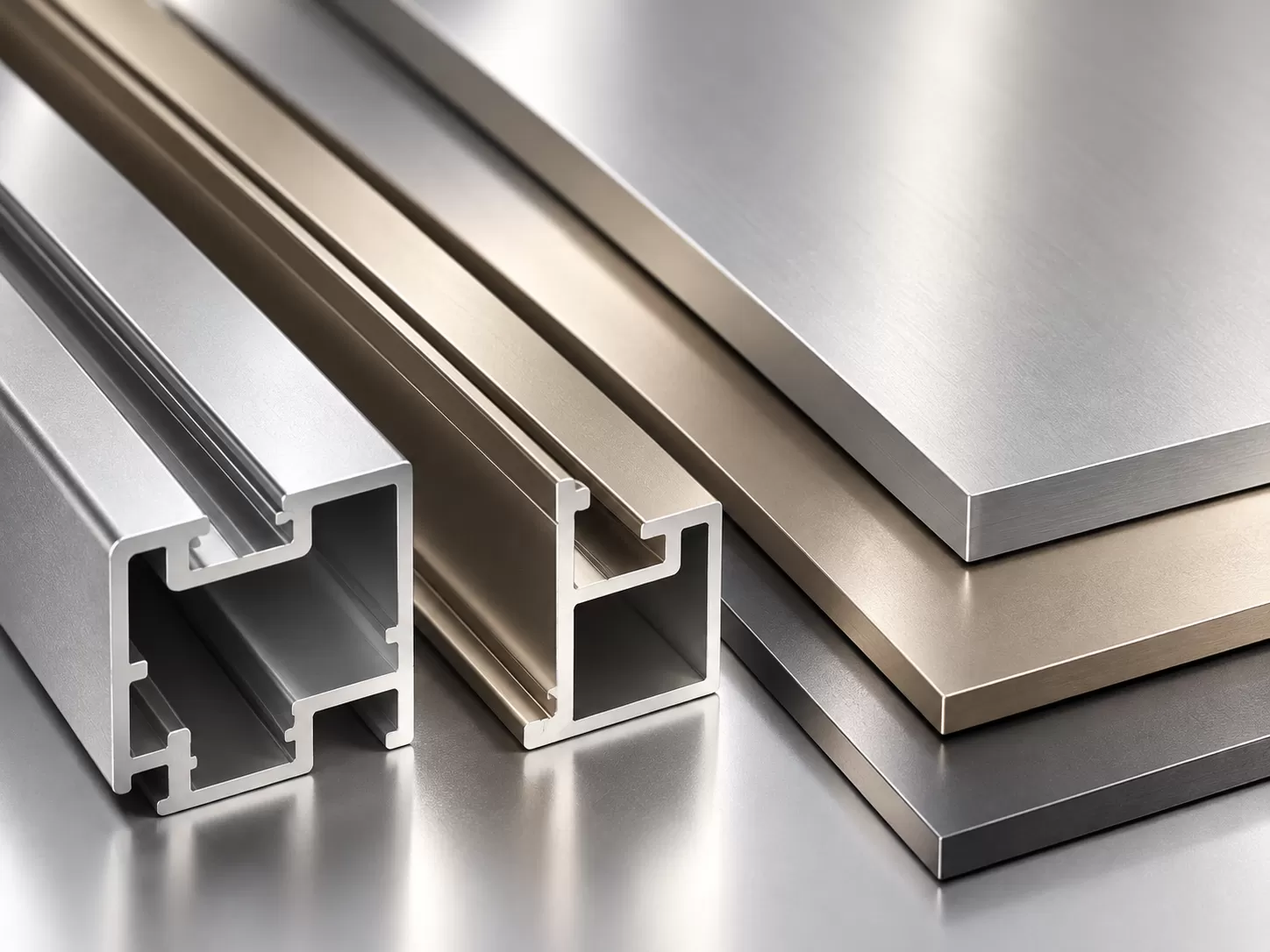
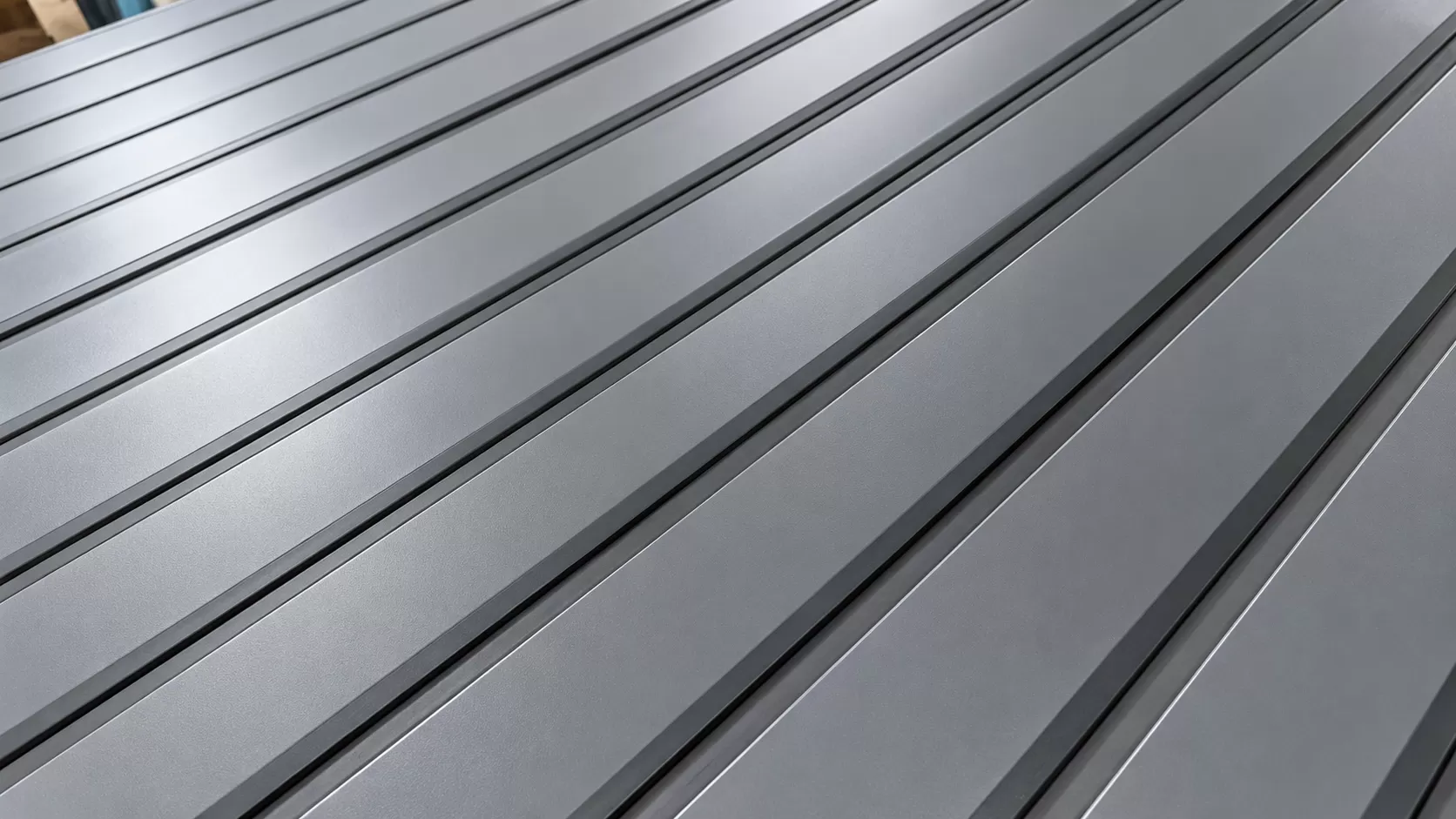
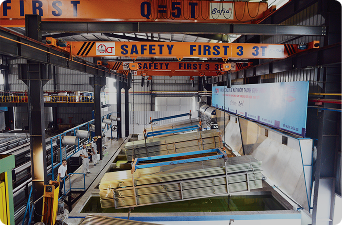
Binhnam Aluminium operates a 50,000 m² manufacturing facility with 6 extrusion lines and integrated aluminium production capability. From billet preparation and extrusion to surface finishing, CNC machining and quality inspection, we control key production steps to support stable quality and efficient delivery.
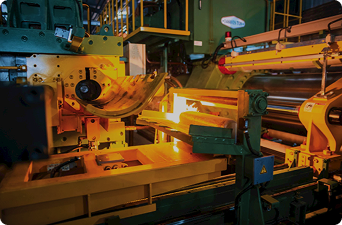
Binhnam Aluminium operates 6 aluminium extrusion lines for producing industrial profiles, construction profiles and custom aluminium extrusion products. Our extrusion capability supports different profile shapes, product structures and application requirements based on customer drawings or standard product specifications.
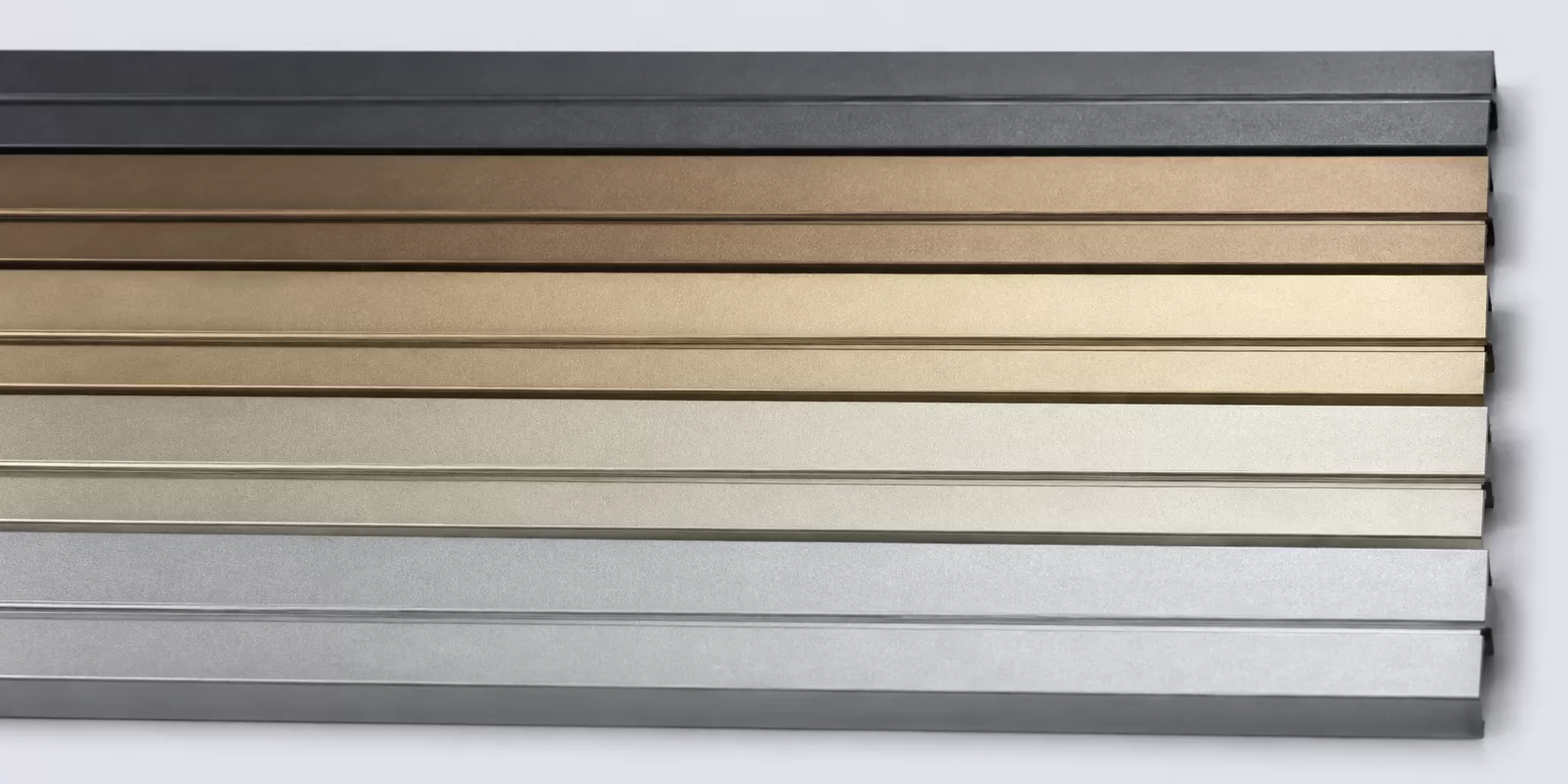
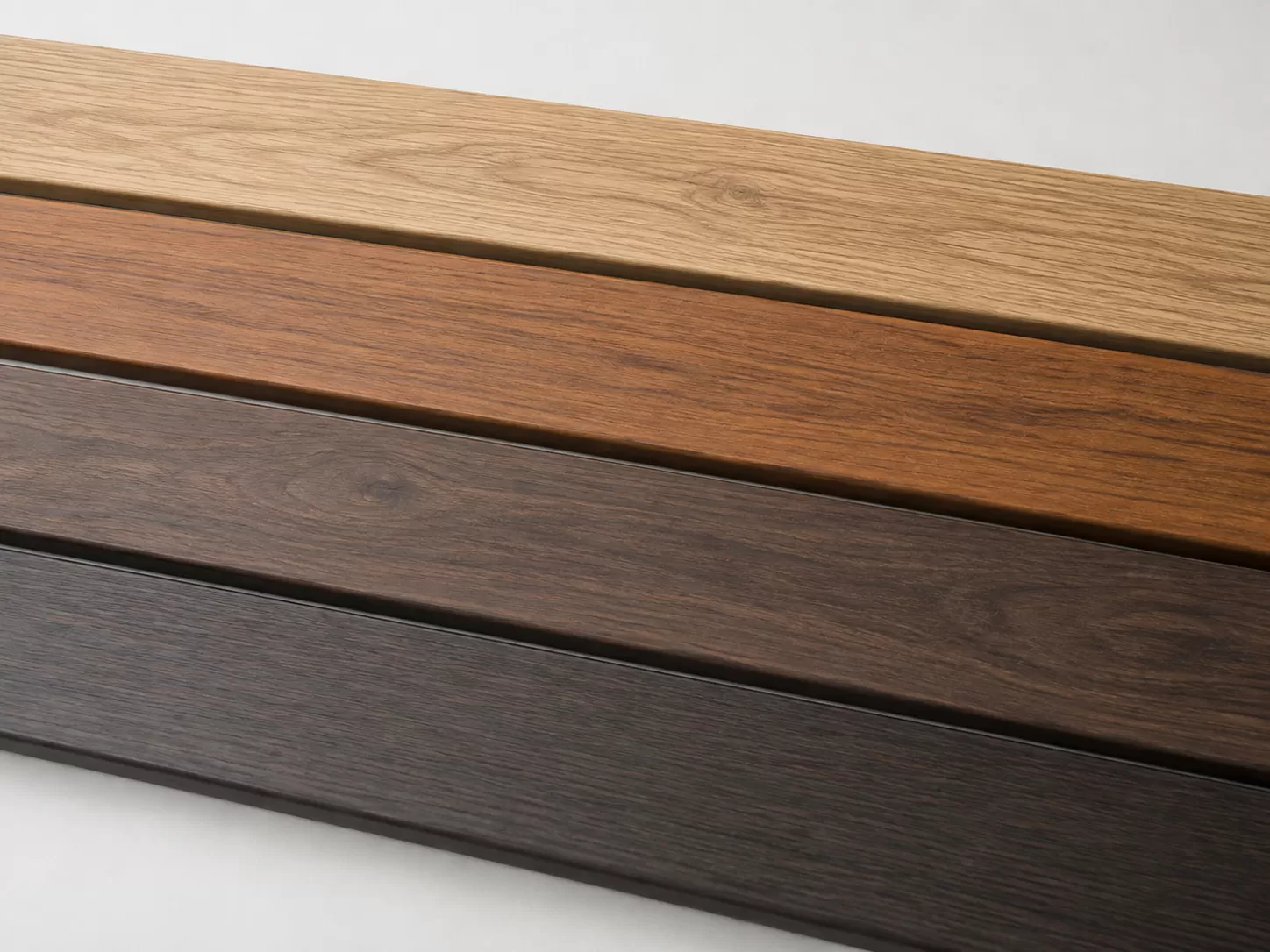
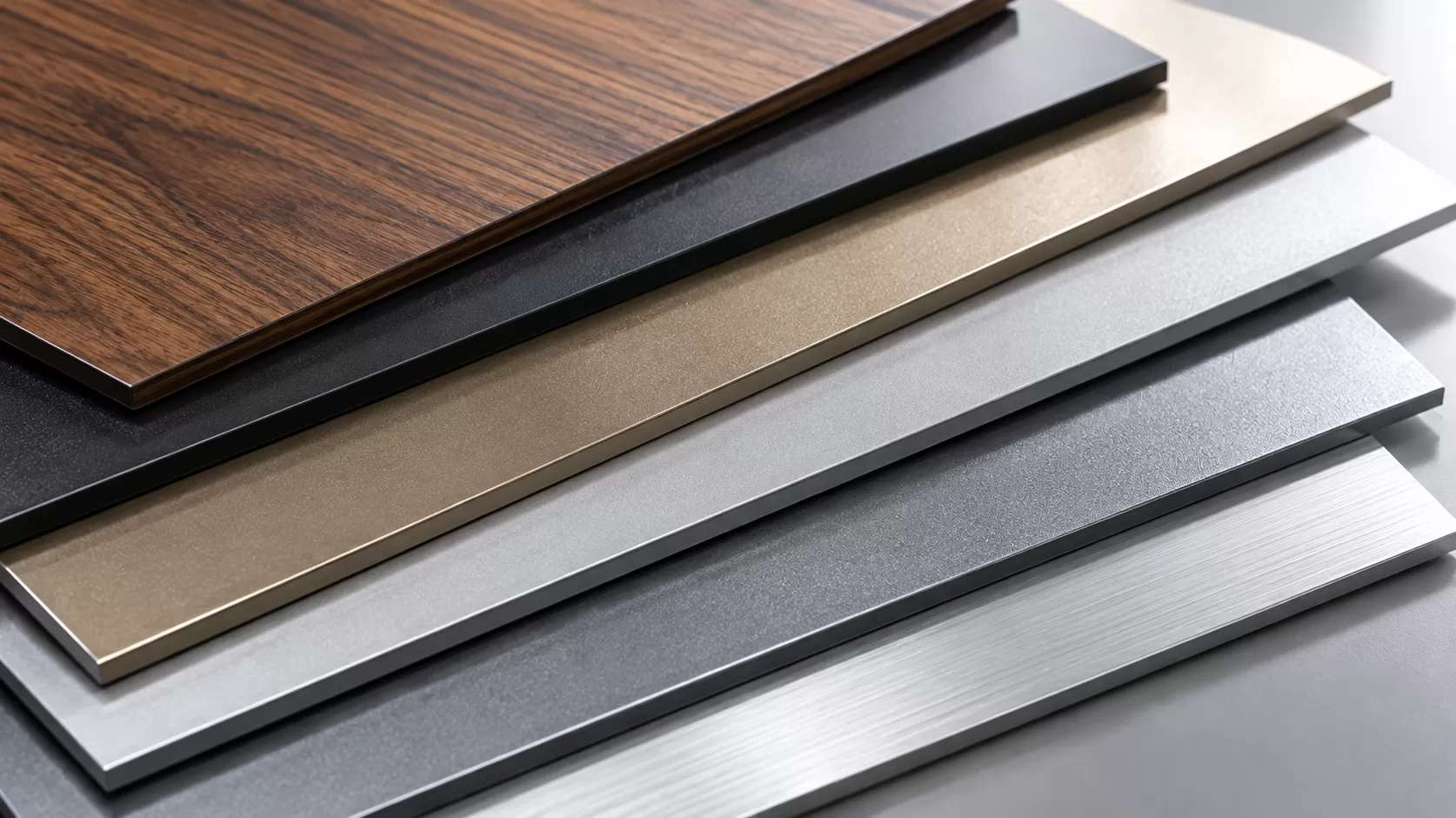
Binhnam Aluminium provides aluminium surface finishing solutions to improve product appearance, durability and corrosion resistance. Our surface finishing options include powder coating, anodizing and wood grain finishing, with color and finish requirements customized according to project needs.
For customers who need further processing after extrusion, Binhnam Aluminium provides CNC machining and fabrication support. CNC machining helps customers receive aluminium profiles that are closer to final assembly requirements, reducing additional processing work after delivery.
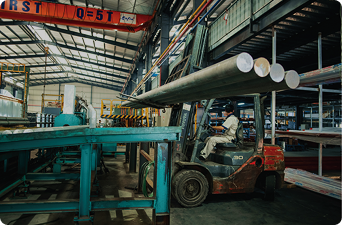
Quality control is applied throughout the aluminium manufacturing process, from raw material inspection to extrusion, surface finishing, machining, packing and final delivery. Our QC process helps ensure product consistency, dimensional accuracy, surface quality and packaging reliability before shipment.
Binhnam Aluminium supports B2B customers through a clear and practical order handling process. Whether you need standard aluminium profiles or a new custom extrusion project, our team helps review your requirements and provide a suitable production solution.

Customers send drawings, samples, product photos or technical requirements to Binhnam Aluminium. Our team reviews the basic information, including product type, application, alloy requirements, surface finish, estimated quantity and delivery expectations.

Our technical team evaluates the profile design, extrusion feasibility, surface finishing requirements, machining needs and packaging method. For custom aluminium profiles, we may suggest adjustments to improve extrusion stability, production efficiency or final product performance.

After reviewing the requirements, Binhnam Aluminium provides quotation details, including product cost, die cost if applicable, MOQ, estimated lead time and production process. The production plan can be adjusted based on order quantity, technical complexity and delivery schedule.

For new custom profiles, we proceed with die development after confirmation. Trial extrusion is carried out to produce samples for inspection and customer approval. The sample stage helps confirm profile dimensions, structure, surface quality and application suitability before mass production.

After sample approval, Binhnam Aluminium begins mass production according to the confirmed specifications. Quality control is carried out during extrusion, surface finishing, CNC machining and final inspection to ensure product consistency before shipment.

Finished aluminium profiles are packed according to product type, surface finish and export requirements. Our team prepares the necessary documents and supports delivery based on the agreed shipping terms.
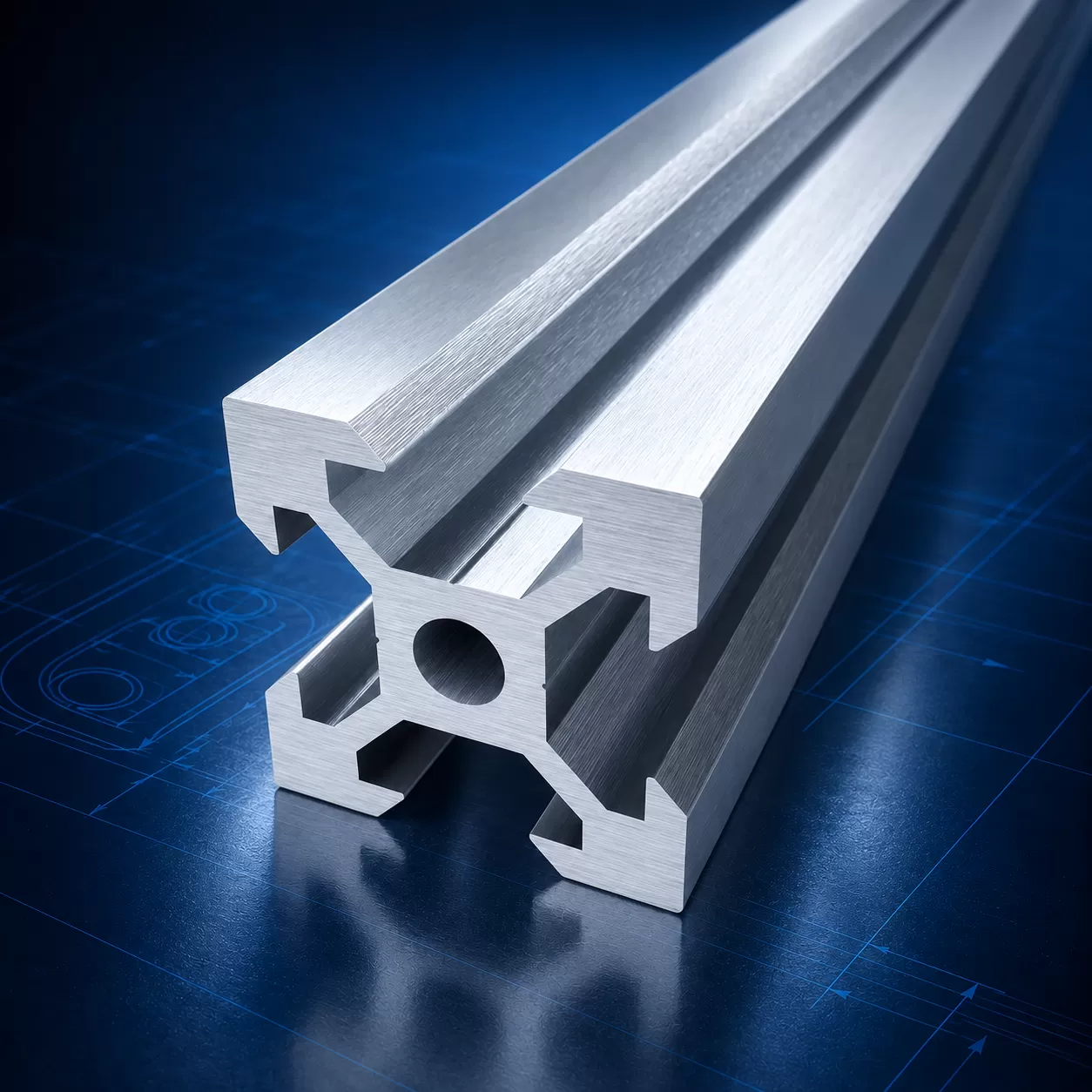
V-slot aluminium profiles for compact linear-motion structures, automation frames and custom modular equipment. Binhnam Aluminium supports standard-tooling review and custom extrusion based on your drawing, wheel interface, structural requirements and application.
V-slot aluminium profiles combine the structural function of an aluminium extrusion with a V-shaped running or guiding interface. Depending on the cross-section, the profile can form part of both the machine structure and the motion-guiding system, making it suitable for compact equipment where structural framing and guided movement need to be integrated into the same assembly.
Typical projects may involve positioning frames, small automation structures, adjustable equipment, machine prototypes and other modular systems using compatible wheels or guiding components.
However, a V-slot profile should not be selected only by its external dimensions. The geometry of the V interface, track angle, wheel shape, wheel material, profile straightness, surface condition, support spacing and expected load can all affect how the complete system operates.
For this reason, Binhnam Aluminium does not assume compatibility between a profile and a particular V-wheel or motion system without reviewing the actual drawing, sample or technical requirements.
For OEM projects, customers can submit an existing extrusion drawing, a physical sample or the required system interface for technical review before tooling and production are confirmed.
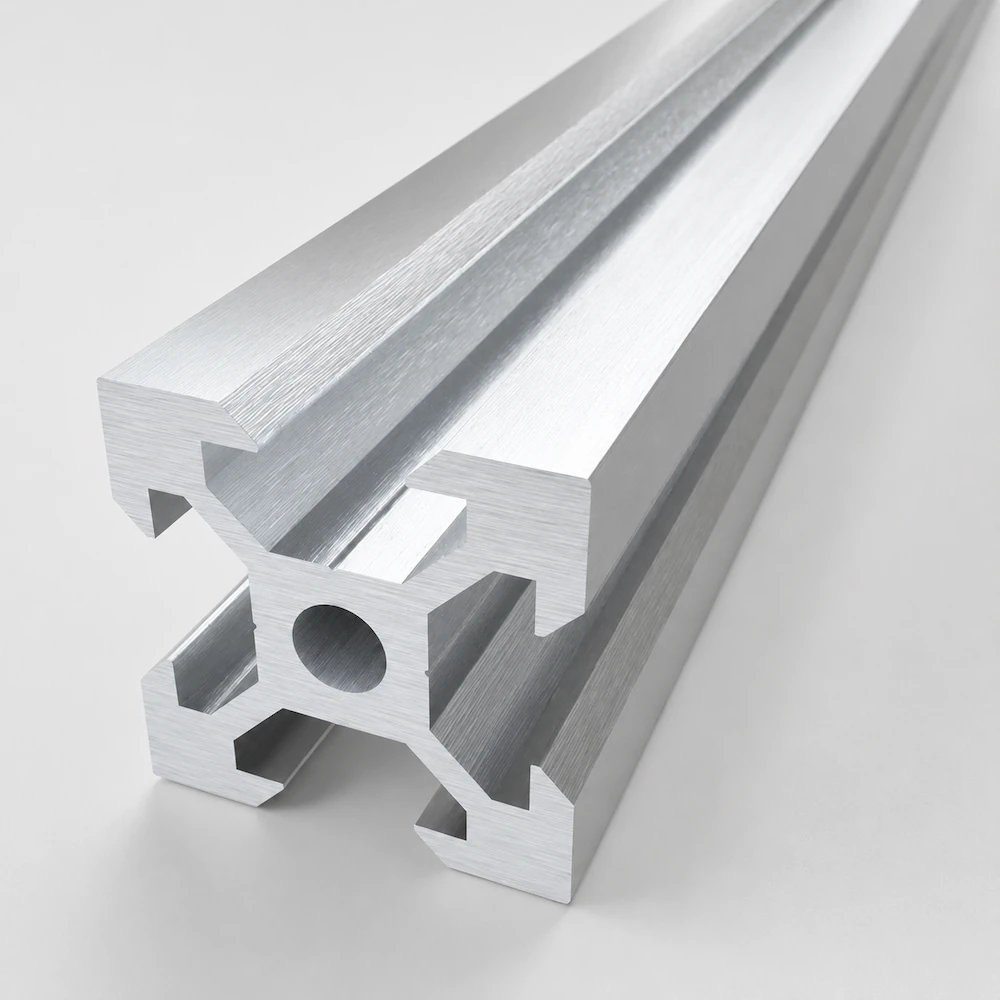
These profiles incorporate a defined V-running interface intended to work with a compatible wheel or guiding component.
They can be considered for compact positioning mechanisms and other structures where the running surface is integrated directly into the aluminium extrusion.
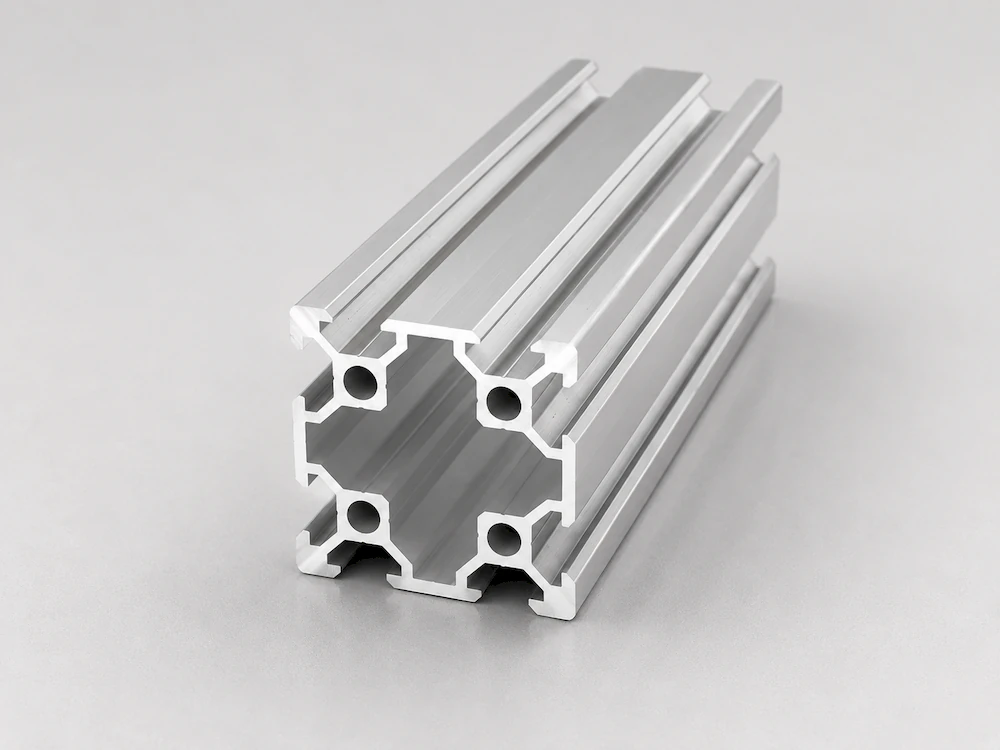
Structural V-slot profiles combine a guiding interface with the load-supporting and mounting functions of an aluminium frame.
Depending on the approved cross-section, other faces of the extrusion may provide mounting locations for brackets, plates, equipment or additional frame components.
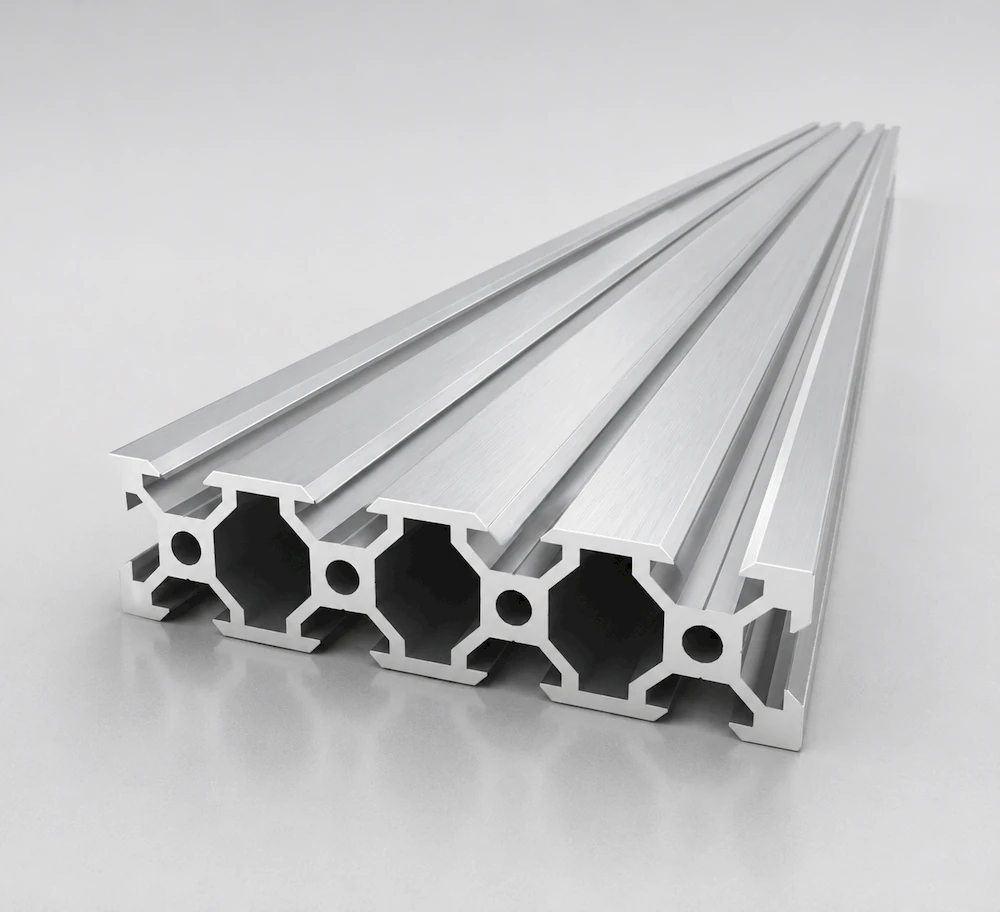
Some custom cross-sections may integrate multiple guiding or mounting interfaces within one extrusion.
These profiles require more detailed drawing review because the relationship between the running surfaces, structural walls, mounting features and extrusion feasibility must be considered together.
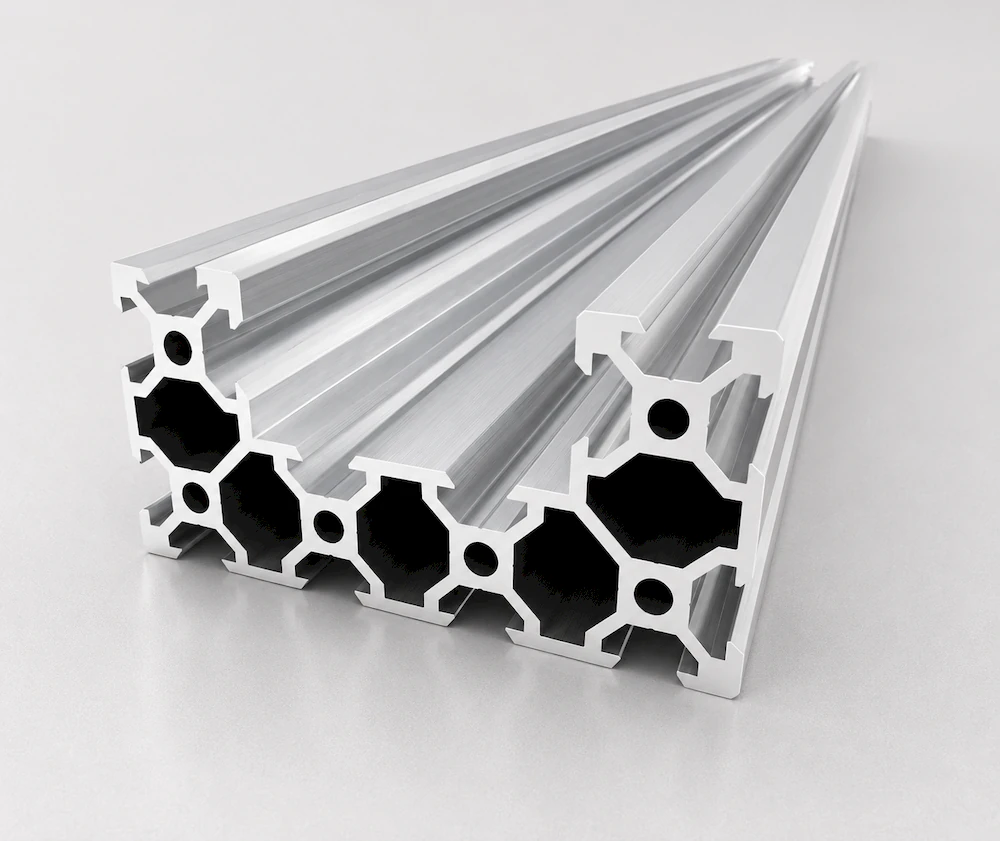
Custom V-slot profiles are developed around the customer's own machine or motion-system requirements.
The customer may define the required cross-section, V geometry, structural functions and machining features through a drawing or approved sample.
The final specification of a V-slot aluminium profile is determined from the approved drawing, selected alloy, application requirements and production route.
For motion-related applications, particular attention should be given to the actual V-running interface rather than relying only on nominal profile dimensions.
| Item | Specification |
|---|---|
| Product Name | V-Slot Aluminium Profiles |
| Product Type | Aluminium extrusion with an integrated V-shaped running or guiding interface |
| Material | Aluminium alloy selected according to profile design and application requirements |
| Temper | Confirmed according to selected alloy, profile design and project requirements |
| Profile Design | Existing-tooling or custom cross-section subject to technical review |
| V-Track Geometry | Product-specific; track angle, wheel interface and running surfaces must be verified |
| Structural Features | Mounting faces, slots, cavities and supporting features based on the approved cross-section |
| Surface Finish | Mill Finish, Anodizing, Powder Coating or project-specific custom finish |
| Processing | Cutting and project-based drilling, tapping, milling, holes or slots after drawing review |
| Length | Custom length subject to profile design, finishing, packing and transport review |
| Inspection | Relevant dimensional, surface and processing checks according to the approved requirements |
| Applications | Linear-motion frames, automation equipment, positioning structures, modular machines and custom assemblies |
| Packaging | Selected according to profile geometry, surface protection and shipping requirements |
A V-slot extrusion should be evaluated as part of the complete motion system rather than as an isolated aluminium component.
Before confirming the profile, buyers should consider the wheel or guide design, contact surfaces, required structural rigidity, support arrangement and installation method.
Motion accuracy, load rating and operating performance therefore cannot be assigned to the extrusion alone without information about the complete assembly.
A V-slot cross-section can combine the running or guiding interface with the structural aluminium frame.
For suitable equipment designs, this may reduce the need for a separate guide-support member while keeping the machine structure modular.
Integrating the guiding surface into the structural extrusion can support compact equipment layouts where installation space is limited.
The actual benefit depends on the approved profile geometry and the components used in the complete system.
When included in the cross-section, additional slots, faces or cavities can provide locations for brackets, plates, sensors or other machine components.
This allows the extrusion to perform more than one function within a modular assembly.
For OEM projects, the V interface can be reviewed around the customer's selected wheel or guiding component instead of forcing the equipment design around an unrelated standard profile.
Project-based CNC processing can be reviewed for features such as drilled holes, tapped holes, milled areas or slots where they are required by the final assembly.
Depending on the application, profiles can be supplied with mill finish, anodizing, powder coating or an approved project-specific finish.
The running surface and finish requirements should be reviewed carefully where they interact directly with the selected wheel or guide.
Surface-finish selection should consider both the visual requirements of the equipment and the functional surfaces of the final profile.
The suitability of a finish for the V-running interface should be confirmed during technical review.